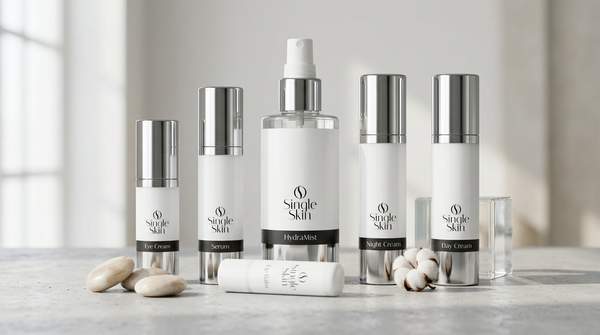
Facial serums occupy a prominent place in modern skincare, with products available for hydration, uneven-looking tone, surface texture and visible signs of ageing. Their names and ingredient lists can make choosing one seem more complicated than it needs to be. The best starting point is to understand what a serum is designed to do and how it fits into the rest of a routine.
Dr Gabriela Skincare, a luxury cosmetics line created by aesthetic specialist Dr Gabriela Mercik, offers a premium collection for consumers interested in targeted skincare and hydration. Based in London, the brand provides a useful starting point for exploring how a specialist-led cosmetics range fits into an informed approach to product selection.
What Makes a Serum Different from a Cream?
Serums are skincare formulations designed to deliver selected ingredients in a particular texture and format. Many have a lighter consistency than creams, although products vary widely and there is no universal serum formula.
A serum may contain humectants for hydration, ingredients intended to improve the appearance of uneven tone, or active components used in products targeting visible signs of ageing. Some formulations combine several functions.
Creams and moisturisers often focus on softening the skin and helping reduce moisture loss, although they can also contain targeted ingredients. The distinction is therefore not simply that serums work and creams moisturise. Their functions overlap, and the actual formulation matters more than the product category.
A serum is best understood as one possible part of a skincare routine. It may be useful when it addresses a specific concern, but it is not an essential purchase for everyone.
Identify Your Main Skincare Concern
Before comparing products, decide what you want to address. This keeps the selection process focused and reduces the temptation to purchase several formulations with similar purposes.
If your skin feels tight or looks flaky, hydration may be the immediate priority. A serum containing suitable humectants can complement a moisturiser, particularly when the rest of the routine is also designed to limit dryness.