Reaching your city council effectively starts with one decision: matching the channel to your goal. A quick question needs a different approach than a request for a sit-down meeting, and every email you send may become a public record. This guide walks through the main ways residents contact elected local officials, a decision framework for picking among them, what public records laws mean for your correspondence, and how to speak at public meetings.
Understanding Your Communication Options
City council members are elected to serve their communities, and as Carroll Community College's guide to local political engagement puts it, they "rely on feedback from residents to understand local needs." Whether you are supporting a project, concerned about a new ordinance, or asking a question, reaching out puts your voice into the conversation—and your input can influence how officials vote.
For individual residents, the practical channels are straightforward. You can call or email an official's office, attend council or commissioner meetings (some of which allow public comments), or participate in special public forums on specific issues. Portland's official contact page for elected officials frames the same range of purposes: provide comment or feedback on a topic, contact a specific official, request a meeting, or ask an official to speak at an event.
Cleveland City Council adds a structural detail worth knowing: residents can contact council members directly, or route a message through the Clerk of Council or council staff, including members' executive assistants. If you are unsure which council member covers your issue, the clerk's office is a reasonable starting point.
Decision Framework: Choosing the Right Channel for Your Goal
The table below matches common resident goals to the channel best suited to each, with the key considerations that make that channel work. The last row applies across every option: assume any written correspondence may be released.
<
| Your Goal | Best Channel | Key Considerations |
|---|---|---|
| Provide general comment or feedback | Email or a phone call to the office | Email is widely used and documents your position; a phone call offers direct, immediate interaction. |
| Ask a specific question | Email or a direct phone call | Both allow a direct query and, with email, a documented response you can reference later. |
| Request a meeting with an official | Email or phone to schedule | Formal scheduling lets both you and the official prepare for a dedicated discussion. |
| Invite an official to speak at an event | Email or phone to the office | Treat it like a meeting request: give the date, audience, and topic up front. |
| Speak publicly on an issue | Attend a council meeting or public forum | A designated chance to address officials directly, often with time limits—check the agenda and sign-up rules first. |
| Any of the above, in writing | Assume it is a public record | Emails and letters to city officials can be released to third parties who request them, depending on your state and municipality. |
The reasoning behind the framework is simple: written channels create a record of your position and let staff route and track your request, while in-person channels—meetings and public forums—create direct dialogue and visibility. Match the channel to whether you need an answer, a relationship, or a public statement.
Public Records Laws: What You Need to Know
Here is the detail most general advocacy guides omit: your message to city hall may not stay between you and your council member. The Town of Cary, North Carolina states it plainly on its council page. Under state law, most records kept by local governments are public, and "correspondence to and from the Town Council (including emails) is not exempt." Cary's notice continues that any correspondence between a resident and council members "may be turned over to third parties who request it at any time without prior notice."
Cleveland City Council takes a similar position, publishing a Public Records Policy under which all public records must be "organized and maintained in such a way that they can be made available for inspection and copying," alongside a record retention policy that follows the Ohio Revised Code and is audited by the State Auditor.
The practical implication is about what you write, not whether you write. Treat every email and letter as if a neighbor, journalist, or opponent could read it later—because in many jurisdictions they can, without warning. Avoid including sensitive personal details you would not want disclosed, and keep the message focused on the issue rather than private circumstances you want to keep private.
One caution: these are examples from two municipalities, and public records laws vary by state and locality. Check your own city's website for its specific correspondence and records policies before assuming the same rules apply.
Engaging in Public Meetings and Forums
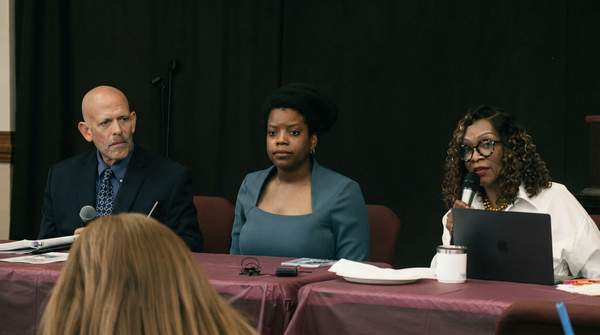
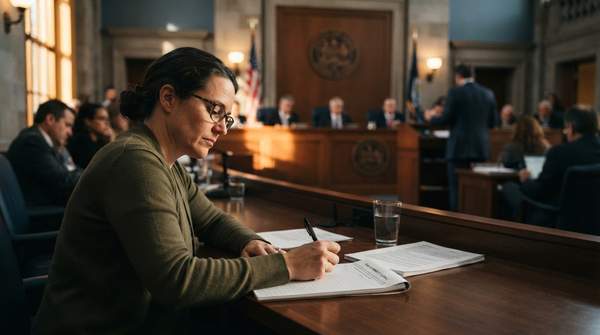
Public meetings are the channel for residents who want their position on the record and heard by decision-makers at once. Cary's advocacy guidance for local government recommends attending town hall meetings, community events, and city council sessions to introduce yourself and express concerns—building a rapport with officials that "creates a platform for open communication" and makes it more likely your advocacy is heard.
Before you go, check the meeting schedule on your city or county website, as Carroll Community College's guide advises, and look for opportunities specific to your issue, such as special public forums. Some meetings include a public comment period with sign-up procedures and speaking time limits, so arrive early and keep your remarks short and focused.
To make spoken comments effective: state your name and where you live, name the specific agenda item or issue, give one or two concrete reasons for your position, and end with a clear ask. A brief, respectful statement at the microphone often carries further than a long email chain.
Your Next Step: Engage Thoughtfully
The decision is straightforward: choose your communication channel based on your specific goal—a call or email for questions and feedback, a scheduling request for a meeting, a public meeting for visible testimony—and always assume your correspondence may become a public record. This guide offers general information, not legal advice, and focuses on city council contact rather than other government departments.
You will know the process worked when you contact your city council through the appropriate channel and receive a response, or when your input is acknowledged in a public forum—either a direct reply from an official's office or your name and comment recognized at a council meeting. Check your municipality's website for its own contact routes and records policy, then send the message.
Sources
- Carrollcc
- Contact an elected official — Portland.gov
- Contact — Cleveland City Council
- Town Council — CARYNC